Project snapshot
Five playable projects, one visual language each.
A collection of browser-based games built solo, end to end. Each ships as a self-contained experience with its own aesthetic, mechanic, and sound built with the Web Audio API: Crane Flight, Voidbreak, Type Rift, Spin the Wheel, and Whack-a-Mole.
The reality
Static screens cannot prove that an interaction actually works.
They cannot show how something feels to play, whether the timing is right, or whether the feedback loop is satisfying. Games are one of the few formats where design and engineering cannot be faked separately. If the physics are off, the game feels bad no matter how it looks. If the visual design is thin, solid engineering does not save it.
I built this collection to have proof of both, in a format where there is nowhere to hide.
The design challenge
Build several small, complete experiences instead of one large one.
Each project needed a genuinely different visual identity so the range itself became the point. Reusing one template across five games would say much less than five distinct aesthetics solving five distinct interaction problems.
Key decision 01
One visual identity per game, not one shared template.
Each game has its own color language, typography choices, and visual world. Crane Flight reframes a Flappy Bird style mechanic around a paper crane, so the physics needed to feel light rather than mechanical. Voidbreak takes brick breaker into a darker, atmospheric space. Type Rift and Whack-a-Mole use pacing and feedback suited to their specific mechanics.
Five different visual worlds prove design versatility more clearly than one polished template repeated five times.
Key decision 02
Sound became a first-class design layer.
Every game has audio built with the Web Audio API and tuned to its own feel rather than added as generic sound effects. A hit, a miss, and a win state are interaction feedback. Treating sound that way from the start made it part of the mechanic, not decoration added after the build was finished.
Key decision 03
Each experience was engineered and shipped solo.
There is no design handoff here. Each game is self-contained, with its own logic, rendering, and input handling. Type Rift required responsive real-time input. Spin the Wheel paired randomization logic with animation easing that needed to read as fair and satisfying rather than mechanical.
Selected experiments
Game experiment
A paper crane, a narrow gap, and one more try.
A game-loop exercise in timing and physics. I focused on simple mechanics, clear feedback, and the small feeling that makes someone want to try again.
Music interaction
A drum machine designed as an instrument.
Sound, timing, colour, and visual feedback were designed as one response system, making a small tool feel physical instead of like a settings panel.
Music interaction
Iso Keys, a deliberately simple surface for sound.
Iso Keys explores how much character can come from a small interaction model: layout, visual rhythm, and the relationship between a press and a sound.
Product experiment
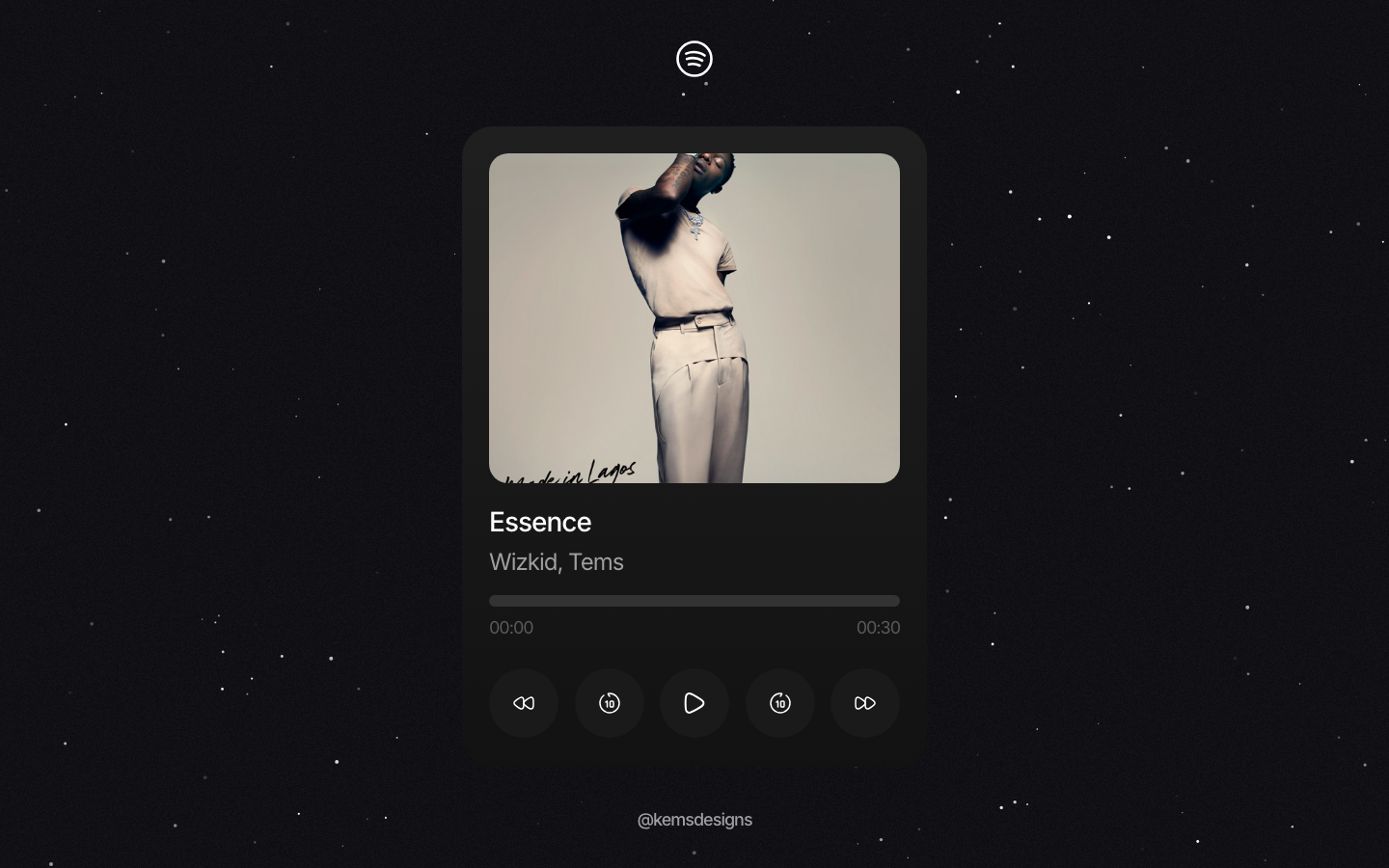
A music experience where the interface carries the mood.
A live music product exploring how visual direction, playback moments, and browsing flow can create atmosphere without getting in the way of the music.
Game experiment
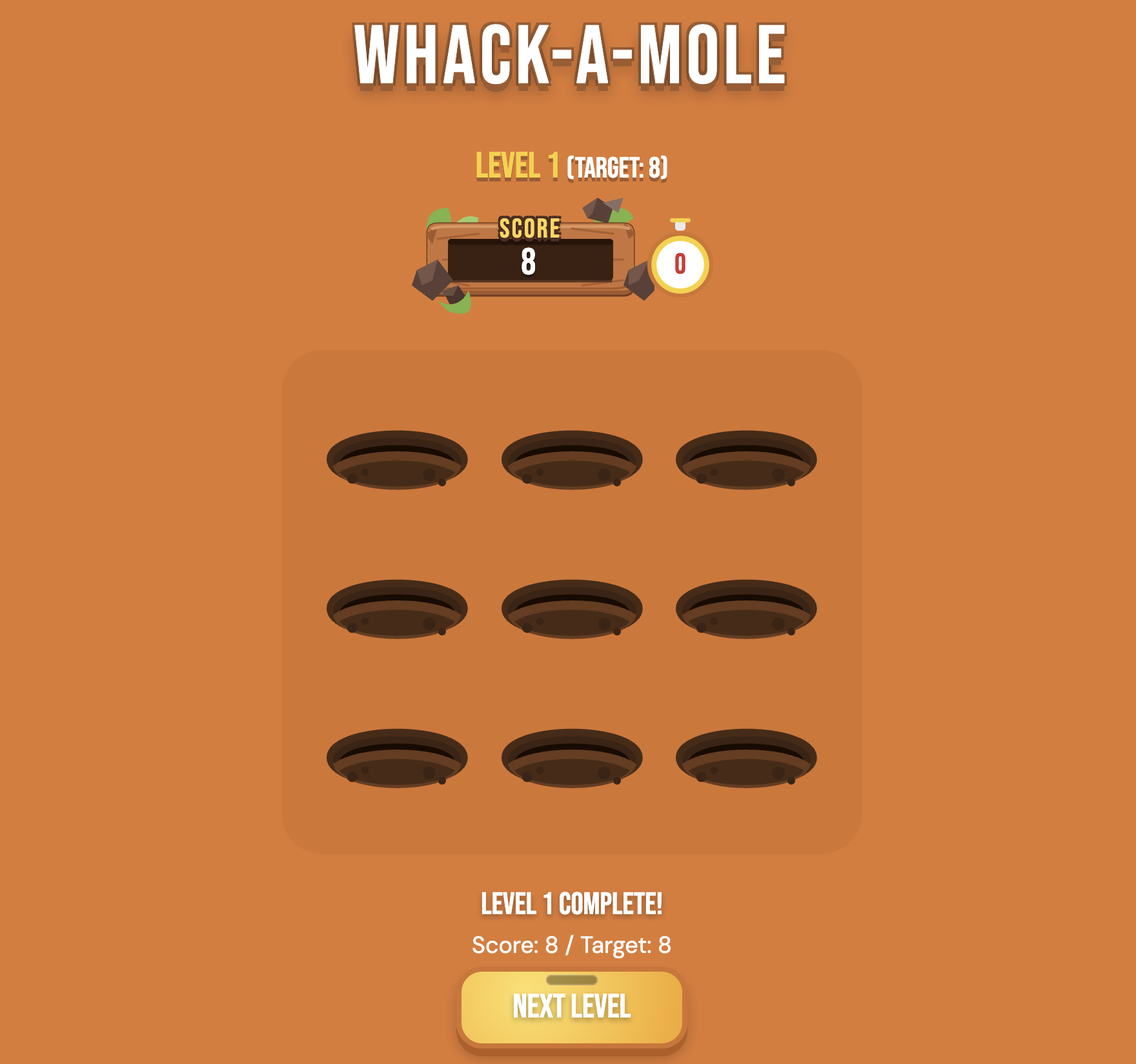
A fast arcade loop built around timing and reaction.
Whack-a-Mole is about quick response, clear targets, and feedback that makes each successful hit feel immediate and rewarding.
Game experiment
Typing becomes a timing game when every word has consequences.
Type Rift combines real-time input, pressure, and pacing to turn a familiar action into a game.
The point
Can an idea become a working, playable thing?
This collection answers that question repeatedly, across different mechanics and visual problems. Five games answering it five different ways is a stronger proof point than one large project answering it once.
Reflection
Variety was the most useful constraint.
Building genuinely different experiences rather than reskins of one underlying game forced range in visual design, interaction design, and front-end engineering that a single larger project would not have required in the same way.